


Plus-size pregnancy: What to expect and how to stay healthy
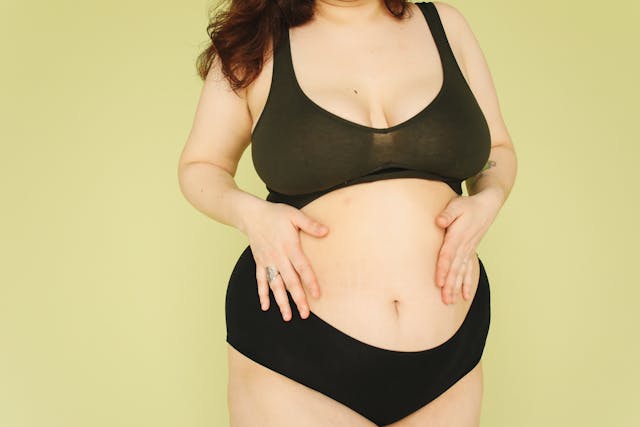
Learn what a plus-size pregnancy means, when you might show, health considerations, and how to support a healthy pregnancy at any size.

If you’re trying to conceive (TTC) or are already pregnant and are plus-sized, then you might be wondering what this could mean for your pregnancy. When will you start to show? Does being plus-sized affect your pregnancy or your baby's health? Will you need any extra support from your healthcare provider? These concerns are common, and completely understandable, especially if this is your first pregnancy.
Before we get started, it’s important to remember that plus-sized women have healthy pregnancies and births every day. Your body size alone doesn’t determine how a pregnancy will progress. Being plus-sized can increase the risk of some pregnancy and labor complications, but many of these are manageable, and even preventable, with the right care.
In this article, we will answer some of the most common questions plus-sized women ask during pregnancy, as well as offer tips on supporting a healthy pregnancy and what antenatal care you can expect.
{{button}}
What is considered a plus-size pregnancy
The term ‘plus-sized pregnancy’ is not typically a medical term, it’s more commonly used as a societal term to describe someone with a higher body mass index (BMI). In medical settings, being plus-sized typically refers to women whose BMI is 30 or above (obese). BMI is a limited screening tool and although appropriate for many, it does not account for factors such as muscle mass, body composition, or overall health.
Health considerations in a plus-sized pregnancy
Many plus-sized women will have healthy pregnancies and labors, however, research has shown us that having a higher body weight (BMI 30 or above) can increase the risk of certain complications. The risk of complications also increases as the BMI increases.
Discussing these risks is not meant to scare plus-sized women. Understanding them helps you to take steps to manage or prevent potential complications and support the health of both you and your baby during pregnancy and labour. Many of these risks can be reduced or managed with appropriate prenatal care.
Health considerations for the mother
Being obese is one of the factors that can make a pregnancy higher risk. This means there is a higher-than-average chance of experiencing pregnancy complications. In general the higher the BMI, the higher the risk.
Here are some pregnancy health conditions that being obese can put you at greater risk of:
- Gestational diabetes
- Preeclampsia
- Miscarriage or stillbirth
- Sleep apnea
- Blood clots
- Need for C-section or instrumental delivery
- Heavier bleeding after birth
Health considerations for the baby
The majority of babies born to women with a high BMI are healthy, however, obesity can increase the risk of the following conditions:
- Birth defects: Babies born to obese women are at higher risk of heart defects or neural tube defects.
- Macrosomia: This is where the fetus is larger than average size. It can increase the risk of the fetus’s shoulder getting stuck during delivery, resulting in an emergency C-section.
- Preterm birth: Conditions associated with high BMI pregnancies like preeclampsia can result in preterm birth (before 37 weeks of gestation).
- Childhood conditions: Maternal obesity during pregnancy is one factor that can increase the risk of conditions like childhood obesity and asthma.
When do plus-size women show in pregnancy
One of the most common questions in a plus-size pregnancy is when you will have a visible baby bump. Unfortunately, there is no one answer. Just like with any pregnancy, when a baby bump appears varies widely and depends on several factors, not all of which are related to body size. Some plus-size women notice changes early in pregnancy, while others may not feel that they appear visibly pregnant until well into the second trimester or later.
Factors that influence when your baby bump shows:
- Body composition and fat distribution: Those with greater fat distribution around the abdomen may not have a visible baby bump until later.
- Core muscle tone: Having tighter abdominal muscles tends to delay the appearance of a noticeable bump. If you’ve already had a pregnancy bump before, you’ll likely show earlier in subsequent pregnancies.
- Posture: Posture and body length can influence how “big” or “early” your baby bump appears.
It’s important to know that showing later doesn’t mean the baby is not growing or that something is wrong. How “pregnant you look” is not a reliable indicator of gestation or the size of the baby.
Plus-size pregnancy belly shape and the “B belly”
Like with any pregnancy, the belly shape in a plus-sized pregnancy will vary from woman to woman. You might have come across the term “B belly,” which describes a pregnancy belly that appears divided into two bumps (looks like a B from the side) rather than a single round bump (looks like a D from the side). This shape can be more common in a plus-size pregnancy and is usually related to natural fat distribution, skin elasticity, and the underlying abdominal muscles.
Many women feel self-conscious about their belly shape during pregnancy because of societal expectations. But, a B belly is not a sign of poor health, an unhealthy pregnancy, or problems with fetal growth.
Some women find that certain strategies improve their confidence or comfort during pregnancy. Here are some things you can try that will help redistribute weight and provide extra support:
- Belly bands
- Supportive maternity clothes
- Bras are designed for pregnancy
When will I feel the baby move
Feeling your baby move for the first time (also called “quickening”) is often an exciting milestone. Those early fetal movements feel like bubbles or flutters in your belly, rather than distinct kicks. The timing can vary widely but typically starts between 16 to 20 weeks of pregnancy.
Here are some factors that can impact when you feel those first movements:
- Placenta location: Where your placenta sits in your uterus can affect how early you feel movements. Women with an anterior placenta (placenta lies at the front of your belly) tend to feel movements later as the movements are cushioned by the placenta.
- Individual sensitivity: Some women are generally more sensitive to movements than others.
- If you’ve had a baby before: Women who have had previous babies tend to feel movements in subsequent pregnancies earlier. This is because their uterine muscles are more relaxed and they’re more sensitive to movements.
If you have any concerns about fetal movement then talk to your healthcare provider. They will be able to offer reassurance or perform additional tests if needed.
How to have a healthy plus-size pregnancy
Having a healthy plus-size pregnancy is not about weight loss or trying to change your body during pregnancy. It’s about supporting your health and your baby’s development alongside preventing or managing any additional risks.
Focus on a healthy balanced diet
- Aim for a balanced diet that includes protein, fiber, healthy fats, and complex carbohydrates.
- Limit sugars, simple carbs, and ultra-processed foods.
- Work with your healthcare provider or a registered dietician to ensure you and your baby are getting all of the nutrients you need.
- During the second and third trimesters, you need an average of 300 extra calories a day. That is roughly a bowl of oatmeal or a snack of apple slices and peanut butter.
Stay physically active
- Most women are able to safely exercise in some form during pregnancy even if they were inactive before. If you’re new to exercise or have any concerns then speak to your healthcare provider first. They will be able to advise you on the safest way to start exercising.
- Gentle to moderate level activity such as walking or swimming is great for those new to activity.
- Aim for 30 minutes of activity a day. If you’re new to exercise then gradually build up to this starting with just 5 minutes a day.
Attend regular prenatal care and screenings
- Keep all recommended appointments, including any additional monitoring suggested. Most plus-sized women will be offered a test for gestational diabetes during their pregnancy.
- Early detection of conditions like gestational diabetes or high blood pressure allows for effective management and prevents serious complications.
- Ask questions or for explanations if you’re unsure about certain care recommendations.
Prioritize sleep, stress management, and mental health
- Adequate sleep supports metabolic health, immune function, and emotional well-being.
- Managing stress through meditation, yoga, or mindfulness can help ease anxiety and benefit mother and baby.
- Speak to your healthcare provider if you have any concerns about depression, anxiety, or other mental health conditions.
When to seek medical advice
During pregnancy, if something feels off then it’s always better to err on the side of caution and contact your healthcare provider. This is especially important in a plus-size pregnancy where early evaluation can help identify and manage concerns before they become more serious.
Here are some of the symptoms that require urgent healthcare evaluation:
- Vaginal bleeding, leaking fluid, or persistent tummy pain.
- Severe or ongoing headaches, visual changes, or sudden swelling of the face or hands.
- Shortness of breath, chest pain, or signs of a blood clot like leg swelling, pain, or redness.
- Persistent vomiting or signs of dehydration.
- Fever or signs of infection.
- A change in your baby’s usual movement patterns.
Trusting your instincts and seeking care early is an important part of protecting your health and your baby’s well-being.
Key takeaways
- A plus-size pregnancy can be healthy and many women with larger bodies have uncomplicated pregnancies and healthy babies.
- Additional screening or monitoring may be required to prevent or manage potential complications.
- Showing later, having a B belly, or feeling first fetal movements slightly later are normal variations and not a sign of problems.
- Some pregnancy and labor complications increase with risk as the mother's BMI increases. Many of these can be prevented or effectively managed with the right prenatal care.
- Engaging with your prenatal healthcare team can help you and your baby have a healthy, safe, and empowering experience.
- Prioritise self-care and compassion and focus on healthy eating, daily movement, and your emotional well-being.
{{pink-banner}}


.avif)
