


How long can stress delay your period? Causes, symptoms, and when to worry
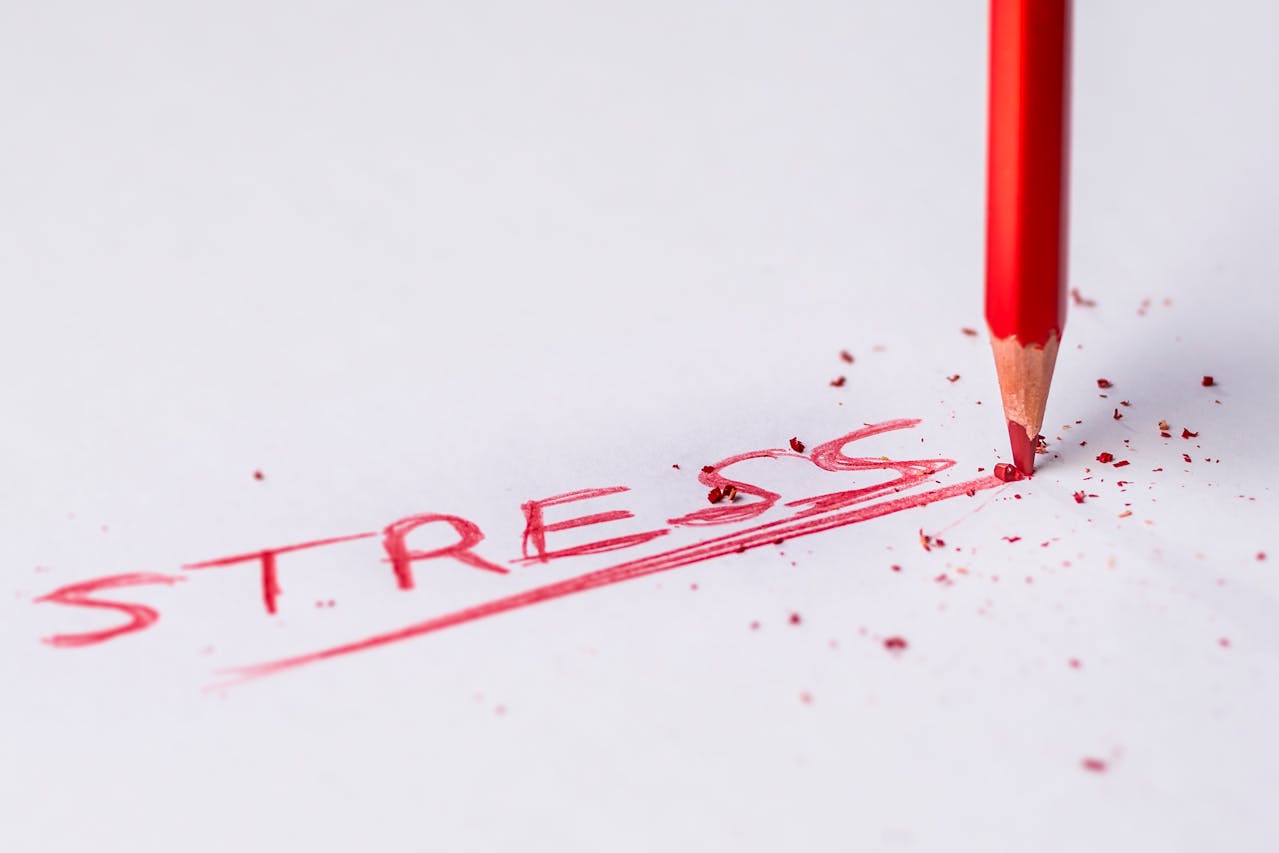
Wondering how long can stress delay your period? Learn how stress affects your menstrual cycle, how long delays can last, signs to watch for, and tips to help your period return naturally.

If you’ve found yourself anxiously asking, “Why is my period late?” or wondering can stress delay your period, you’re definitely not alone. For many women, a delayed period can create anxiety and confusion. They often panic, especially if pregnancy is a concern, and want to know how long can stress delay your period.
But before your mind jumps to the worst-case scenario, it’s important to know that stress is one of the most common reasons for a late period. The connection between stress and missed periods is real, powerful, and completely normal. Emotional stress, physical stress, illness, overworking, and even positive life changes can throw your hormones off balance and disrupt your cycle.
But, how long can stress delay your period? The answer varies from person to person, depending on the severity and duration of stress and how intensely your body is affected.
In this article, we’ll explore why stress affects your cycle, how long a delay can last, what signs to watch for, and what you can do to help your body restore the balance.
{{button}}
Impact of Stress on Periods: Key Takeaways
- Stress is one of the most common reasons for a delayed period. It can affect women of any age or lifestyle, even those with normally regular cycles.
- Stress triggers the release of cortisol, a hormone that interferes with reproductive hormones like estrogen and progesterone, due to which ovulation may be delayed or even temporarily stopped.
- Stress can delay your period by a few days to up to two weeks for many women. In cases of severe or long-term stress, a period may be delayed for a month or more.
- Chronic high stress can cause amenorrhea, especially when combined with restrictive dieting, extreme exercise, or significant emotional strain.
- A late period caused by stress is usually temporary. The menstrual cycle typically normalizes once stress levels decrease and hormonal balance returns.
- Sleep issues, anxiety, mood changes, headaches, digestive problems, and fatigue are some signs suggesting that stress may be affecting your cycle.
- Managing stress through rest, nutrition, hydration, gentle exercise, breathing techniques, and emotional support can help your period return more predictably. However, if your period is missing for 3 months or more, or if you’re concerned, you should speak with a healthcare provider.
How Stress Affects Your Period
Being aware of what’s happening inside your body is essential to understanding how long can stress delay your period.
Your menstrual cycle is controlled by a delicate network of interactions between your brain, hormones, and ovaries. When you are stressed, your body releases a hormone called cortisol, also known as the stress hormone.
Cortisol plays an important role in protecting you in stressful or threatening situations. However, when cortisol levels remain high for long periods, it can interfere with the production of reproductive hormones.
Cortisol can disrupt the normal rhythm of two key reproductive hormones: Estrogen and progesterone. These hormones regulate your menstrual cycle. When the production of these hormones is disrupted due to stress, ovulation can be delayed or paused, resulting in a late or missed period.
In addition, when cortisol levels rise, your brain may reduce or delay the release of GnRH (gonadotropin-releasing hormone), which then slows down the signals needed to trigger ovulation. This can delay the ovulation, leading to a late period.
So, cortisol is a key hormone that explains why can stress make your period late. Many women notice their cycles shifting dramatically during times of prolonged stress, like grief, exams, major illness, work overload, relationship issues, or even happy events like planning a wedding.
The reason for can stress delay your period is because the primary goal of your brain is survival. So, during stressful periods, your brain temporarily shuts down non-essential systems, including reproduction, to conserve energy, thus delaying your period.
So, How Long Can Stress Delay Your Period?
The answer to how many days can stress delay your period depends on the severity and duration of stress. Generally, short-term stress can delay your period by a few days up to two weeks. If stress is ongoing or severe, it can delay your period for a month or more.
In more extreme cases, such as major trauma, eating disorders, intense exercise, or chronic anxiety, periods may stop altogether for several months, resulting in amenorrhea, a condition marked by the complete absence of periods.
Signs That Stress May Be Affecting Your Cycle
If your period is delayed due to stress, you may notice some physical or emotional symptoms along with a late cycle.
Some common signs of late periods due to stress include:
- Trouble sleeping or feeling constantly tired
- Headaches or tightness in the body
- Increased anxiety, irritability, or feeling overwhelmed
- Digestive changes, such as diarrhea, constipation, nausea, or appetite changes
- Acne or skin flare-ups
- Weight changes
- Difficulty concentrating
- Feeling mentally foggy
These symptoms demonstrate the link between stress and missed periods. They appear because stress affects many systems in the body, not just your reproductive hormones.
Distinguishing Stress From Pregnancy Concerns
Many women automatically assume that a late period means pregnancy. This can make them anxious, thus worsening stress. This can create a loop, which delays the period further.
Hence, if there’s any possibility of pregnancy, it is advisable to take a test to put your mind at ease. A home pregnancy test is generally reliable from the first day of a missed period. If the test is negative and your symptoms align with stress, it suggests your body likely needs some time to reset.
What Kinds of Stress Can Affect Your Period?
Stress doesn’t always mean something bad. Research suggests that stress and missed periods are closely linked, and any type of significant physical or emotional strain can influence your hormones, thus delaying your periods. [7]
Some common examples include:
- Emotional strain, such as anxiety, grief, relationship conflict, pressure at work or school
- Physical stress due to lack of sleep, travel, illness, surgery, or intense workouts
- Lifestyle stress from major life changes like moving, weddings, or job changes
In addition, even positive excitement can affect your cycle because it's still interpreted by the brain as a stress event.
Can Stress Make Your Period More Painful or Heavier Once It Arrives?
Yes, stress can not only delay your period. It can also change what your period feels like once it comes.
Some women experience stronger cramps, heavier bleeding, more bloating or digestive discomfort, mood swings, heightened PMS, fatigue, and back pain. Other women may have lighter or shorter periods depending on the specific hormonal changes. [8]
This variation is normal and usually temporary. Menstrual cycles often become regular after the stressful phase is over, once the source of stress is eliminated, or when appropriate measures are taken to reduce stress.
When Should You Be Concerned About a Delayed Period?
So, now we know that the answer to can your period be late because of stress is, yes. However, a late period from stress is usually not dangerous. But, you should speak with a healthcare provider if:
- You haven’t had a period for more than three months.
- You frequently skip periods or have unpredictable cycles.
- You experience sudden, severe pain or cramps.
- You suspect pregnancy, but tests are unclear.
- You have symptoms of hormonal imbalance, such as excessive hair growth, severe acne, or extreme weight changes.
Your doctor may recommend tests to rule out other causes of delayed periods, such as thyroid disorders, PCOS, perimenopause, and nutritional deficiencies, and suggest appropriate treatment.
How to Help Your Period Return After Stress
It is possible to restore hormonal balance, reduce stress, and support your body through simple lifestyle adjustments.
Here are some effective strategies to reduce stress:
- Try deep breathing, journaling, gentle yoga, and meditation to manage anxiety and lower cortisol levels.
- Restore healthy sleep patterns. Aim for 7 to 9 hours of restful sleep each night.
- Eat regular, nutrient-rich meals to stabilize blood sugar and avoid mood swings.
- Ensure your body receives balanced nutrition.
- Maintain adequate hydration.
- Practice gentle workouts to reduce stress hormones without overloading the body.
- Reduce your intake of caffeine and alcohol.
- Slow down mentally, take breaks, set boundaries, and prioritize rest.
These strategies will help your mind and body to feel safe and supported again, allowing your cycle to return to its natural rhythm. [9]
What to Do While You’re Waiting for Your Period
It can be stressful waiting for your period to arrive when it’s late. This waiting period is often the hardest part emotionally.
Here are some tips that will help you avoid stress while waiting for your period:
- Track your symptoms in a journal or app
- Use positive distractions like hobbies, warm baths, or time outdoors
- Take a pregnancy test if needed for peace of mind
- Talk to someone you trust if anxiety feels overwhelming
Remember, stressing about being stressed or worrying about how long can stress delay your period will only make the problem worse. Your body needs reassurance, not pressure.
Conclusion
The answer to how long can stress delay your period depends on the severity and duration of stress. For many women, the delay can range from a few days to about two weeks. In cases of chronic or intense stress, a period may be late for a month or longer, and sometimes, stop for several cycles.
A stress-related late period can feel frustrating. However, it is extremely common and often resolves on its own. Also, remember that a late period does not mean your body is not functioning properly. Rather, it is protecting you. Once your stress levels begin to drop, your hormones will rebalance, making your period regular.
Consider talking to your doctor if you miss your period for several months, or if stress begins to interfere with your routine activities or other critical aspects of your wellness.
{{pink-banner}}




.avif)
