


Belly button pain during pregnancy: Causes and management
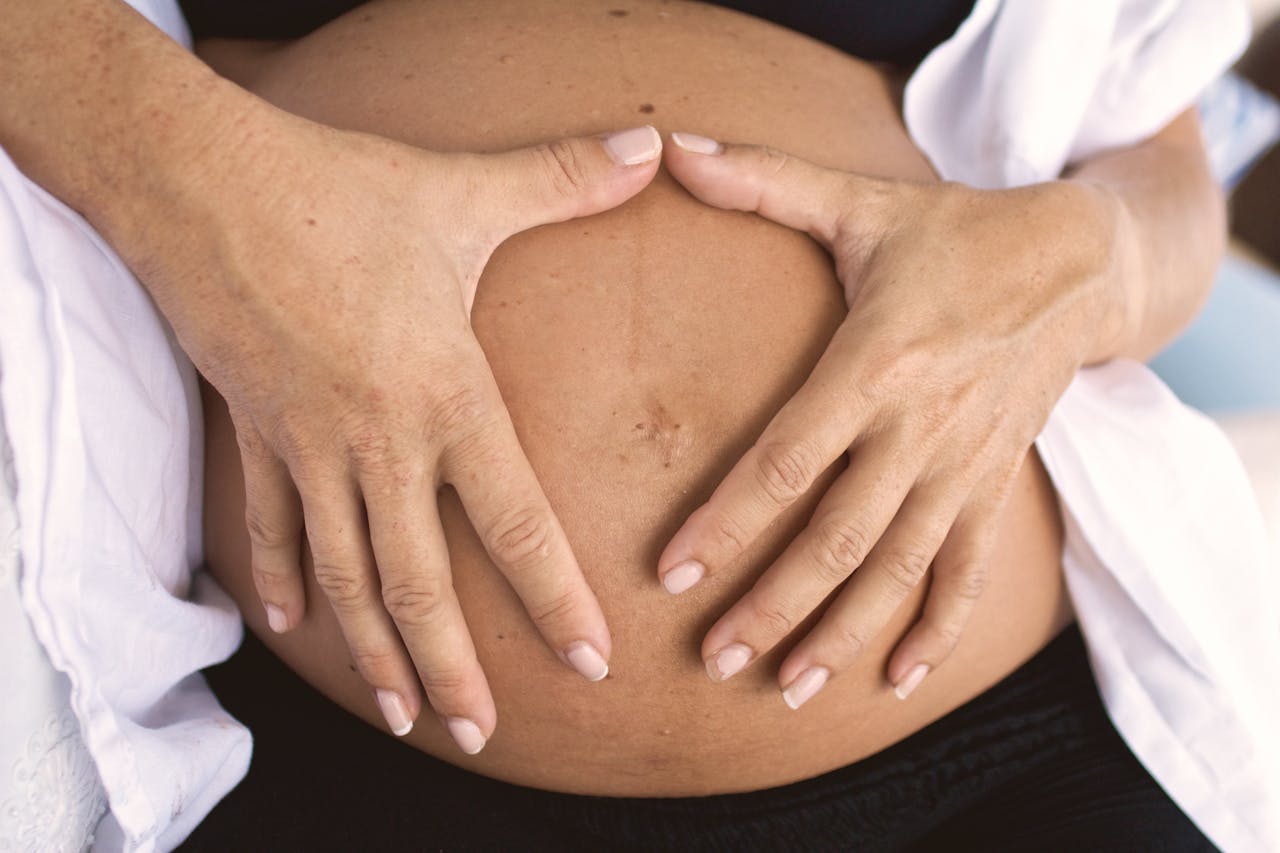
Belly-button pain in pregnancy is usually from stretching ligaments or a shifting uterus — rarely dangerous. Here's what causes it and when to see a doctor.

Belly button pain during pregnancy might not be a very commonly discussed symptom. However, it’s quite a common complaint among pregnant women, especially around the second and third trimesters.
There are several reasons why belly button pain during pregnancy can occur:
- Uterine pressure
- Skin stretching
- Popped belly button
- Umbilical hernia
- Navel piercing
Regardless of the cause, belly button pain doesn’t typically cause lasting complications. It’s possible to manage it at home with the help of cold and heat therapy, supportive belly bands, moisturizing products, and gentle massage. Still, it’s recommended to talk to your healthcare provider if the pain is sudden, severe, or ongoing, or if you notice significant skin changes.
{{button}}
When you get pregnant, you can expect many changes waiting for you ahead. From early pregnancy signs and morning sickness to the growing baby bump – there is a lot you’ll go through at different stages of your pregnancy. And while some changes are well-understood and expected, others are lesser-known and can cause some frustration.
One of such symptoms is belly button pain during pregnancy. Although it’s normal and rather common, many expectant mothers don’t know much about it. So, when they feel discomfort and pain in the belly button area, it naturally makes them alert.
In this article, we’ll discuss why belly button pain during pregnancy appears in the first place and share some helpful management tips to help you find relief. Let’s dive in!
What Cause Belly Button Pain During Pregnancy?
At the moment, there is not enough research to tell how many women are dealing with belly button pain during pregnancy. However, experts confirm that it’s a rather common complaint.
Often, belly button pain begins later in pregnancy, after the second or third trimester, and there might be multiple reasons for that:
Uterine Pressure
When you move past the first trimester, your baby starts growing very rapidly. To accommodate the growing fetus, your uterus needs to expand and change its usual position. The uterine changes can create additional pressure on your abdomen, including the belly button. This continuous pressure can result in discomfort, itchiness, and pain.
Skin Stretching
When you put on additional weight in pregnancy (which is absolutely normal), your skin needs to adjust quickly. To do this, it stretches, breaking the existing collagen/elastin fibers. Skin stretching can eventually lead to stretch marks and diastasis. And it can also create physical discomfort, such as itching and pain, in the process of skin stretching.
Also, diastasis reduces the amount of tissue between your belly button and the uterus. This can increase the uterine pressure and the general sensitivity of this area.
Popped Belly Button
According to studies, over 90% of people have an innie belly button. However, if you are among the few who have it popping out, this might be another possible cause of belly button pain during pregnancy. A popped belly button typically has more stretched skin around it by default. So, when uterine pressure and pregnancy-related skin stretching add to it, you can experience increased sensitivity, itching, and pain.
Umbilical Hernia
An umbilical hernia is a medical condition in which a tissue bulge appears on or next to the belly button. In pregnancy, it can result from weak stomach muscles, obesity (or overweight), a separation in the belly muscles, and other reasons. Generally, it’s not harmful to you or your baby. It also often runs without prominent symptoms. However, it can create discomfort and pain in the belly button area.
Navel Piercing
If you have your belly button pierced, it can pull on the tightened skin as your baby bump grows. This can create physical damage, such as tearing, to the belly button and result in pain. Due to this reason, it’s generally recommended to be very cautious with navel piercing in pregnancy.
It might be safe to keep your piercing if it’s already fully healed. However, many specialists recommend changing the jewelry from a solid one to a pregnancy-safe, flexible wire. This kind of jewelry should create less pressure when your belly grows.
In some cases, especially when your piercing is less than 1 year old, it might be recommended to remove it for the period of pregnancy. This is because it might not be fully healed, which can cause additional issues.
How to Relieve Belly Button Pain During Pregnancy
Now that you know why belly button pain during pregnancy can appear in the first place, chances are that you’re also wondering how to relieve it.
Pain in the belly button area can vary in severity and duration. In any case, it can cause a lot of discomfort. But the good news is that you can try several management options to relieve pain and feel more comfortable:
- Try cold and heat therapy. Multiple studies confirm that applying cool or warm compresses to a damaged area can reduce swelling and itching and eventually relieve pain. However, try to avoid very hot and freezing compresses because they may increase the sensitivity of the belly button area.
- Consider wearing a supportive belly band. Specialized pregnancy bands are designed to support the growing belly and reduce the pressure on your abdominal muscles. Wearing it can also help you relieve belly button pain.
- Use moisturizing topping products. Applying some lotions or gels can soothe the discomfort caused by skin stretching. This tip should also help you reduce the likelihood of receiving stretch marks.
- Make regular but very gentle belly button massages. This can help you feel instant relief. But it’s important that you know for sure that your belly button pain is not caused by an umbilical hernia. In this case, even a gentle massage can aggravate the situation.
In addition to these tips, try to avoid anything that causes additional irritation to the belly button area. For example, avoid wearing too tight clothing that can create friction. And if your belly button is pierced, consider changing or removing the jewelry.
When to Talk to Your Doctor
In most cases, belly button pain during pregnancy is only discomforting, but not harmful to you or your baby’s health. If you are dealing with it, the management options discussed earlier can help you receive relief and make the pain go away over time. In other cases, it may even resolve on its own. Still, there might be some situations when it’s wise to seek professional advice.
Here are some of the signs to talk to your doctor:
- You experience sharp and sudden pain in belly button during pregnancy.
- The pain becomes too intense and doesn’t go away despite any at-home remedies that you try.
- There are noticeable changes in the skin on or around the belly button. Pay attention to significant redness and cracks on the skin.
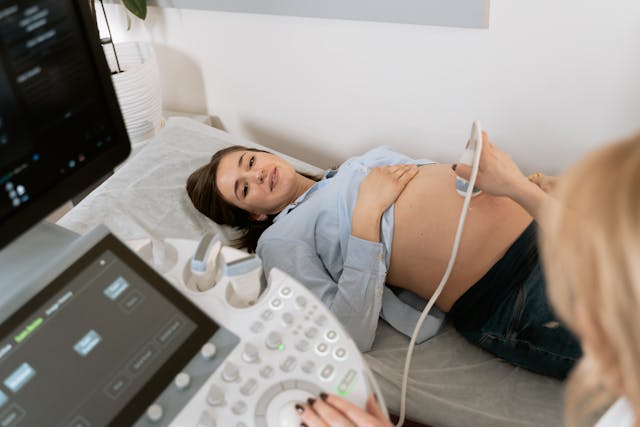
Even if you notice any of these disturbing signs, it’s worth noting that belly button pain during pregnancy doesn’t typically cause lasting complications. Still, talking to a healthcare provider is a good idea because a doctor will help you understand the cause and find management options that will actually work.
FAQ
Is it normal if I feel a slight pain belly button during pregnancy?
Yes, it can be a normal occurrence. Quite many pregnant women report having this symptom around the second and third trimester. In many cases, it occurs simply due to the added uterine pressure and skin stretching that happens when your belly grows. Other possible causes of belly button pain during pregnancy include a popped belly button, an umbilical hernia, and a navel piercing.
When does belly button pain during pregnancy begin?
Most often, belly button pain during pregnancy appears around the second and third trimesters. This can be explained by a rapidly growing belly, which could add extra pressure on the belly button area. However, not all pregnant women face it. It’s also normal not to experience any belly button pain at all. Or experience it in one pregnancy, but not in the other one.
Will belly button pain during pregnancy go away on its own?
It really depends. Some women only experience belly button pain as a one-off occurrence. Others may struggle with it for a longer time. Depending on your unique situation, you might want to implement the right self-care steps to relieve pain instead of waiting for it to resolve on its own. However, if pain persists despite self-care, you might want to discuss this with your healthcare provider.
Conclusion
Belly button pain during pregnancy might not be something you expect to deal with when you conceive. Not many people talk about it, though it’s a rather common symptom that can result from a wide variety of factors.
Now, you should have a better understanding of why it may appear and how to relieve belly button pain during pregnancy. Use the tips from this article to ensure proper self-care and find effective pain relief methods, so that you feel comfortable throughout the entire pregnancy.
{{pink-banner}}


.avif)
