


Late ovulation: Causes, signs, and how to support your cycle
Wondering why you're ovulating late? Learn the common causes like PCOS and stress, identify the signs, and discover practical ways to support healthy, regular ovulation for your fertility journey.

If your periods are irregular, delayed or late ovulation is quite common. Late ovulation happens when the egg is released later than usual in your menstrual cycle. Ovulation is a natural process when there is a rupture of the dominant follicle in your ovary and a matured egg is released.
Ovulation marks your fertile window, and its timing affects your period and chances of conception. If you’re trying to conceive, it’s not a problem. You can get pregnant even with late ovulation.
This article will cover the causes of late ovulation, the signs, practical ways to support your cycle and when to seek medical advice.
{{button}}
What Is Late Ovulation?
The length of the menstrual cycle varies from woman to woman. However, in a typical 28-day cycle, ovulation usually happens around day 14. If ovulation occurs after day 21, it’s called late ovulation or delayed ovulation.
The length of your cycle depends on two main phases:
1. Follicular phase
This is the time before ovulation and can vary in length. It can range from 10 to 16 days. The variation usually plays a role in ovulation timing.
2. Luteal phase
The time after ovulation which is usually about 14 days and relatively constant among women.
What is the possibility of late ovulation?
It is possible to ovulate late, and most women experience this.
This is because the process relies on the interplay of hormonal signals.
When any part of this activity shifts, the release date can move further into the cycle, thus affecting the possibility of conception.
This shift can also be as a result of stress, illness, or lifestyle changes.
However, late ovulation doesn’t always mean something is wrong. It can be a normal variation in a healthy reproductive system.
Why You May Ovulate Late
It might be as a result of medical causes or short-term changes affecting hormone balance.
Common medical causes includes
1. Polycystic Ovary Syndrome (PCOS)
It is a common hormonal disorder among women of reproductive age. The condition is marked by ovulatory dysfunction or long periods of no ovulation, high androgen levels, polycystic ovaries, hormonal imbalances and high insulin levels.
The high androgen levels interfere with normal follicle development.
At the brain (hypothalamus & pituitary), high insulin can alter how these areas release reproductive hormones (like LH and FSH), disturbing the normal rhythm that controls ovulation.
Also, in the ovaries insulin stimulates the ovarian theca cells to make more androgens, interfering with follicular development. All these can lead to irregular or late ovulation.
2. Thyroid Disorders
Thyroid hormones support healthy reproductive function in women. It affects multiple sites of the female hypothalamic-pituitary-gonadal (HPG) axis responsible for controlling other hormones of ovulation.
Disruption of thyroid function can lead to reproductive dysfunction, which might affect ovulation.
3. High Prolactin Levels
High prolactin hinders the actions of gonadotropin-releasing hormone (GnRH). This hormone regulates the production of female reproductive hormones like luteinizing hormone (LH) and follicle-stimulating hormone (FSH). Its inhibition subsequently prevents the secretion of other hormones suppressing ovulation, hence delayed or late ovulation.
4. Adrenal Disorders
Adrenal disorders like high cortisol affect ovulation and female fertility, primarily by causing anovulation (lack of ovulation) and cycle irregularities. In fact, adrenal insufficiency of all causes may be associated with adverse effects on fertility in women of reproductive age.
5. Perimenopause
Hormone fluctuations during the years before menopause may lead to delayed or late ovulation.
6. Severe Illness
Chronic conditions like cancers and tumors that might affect overall hormone balance can also affect ovulation.
7. Medications and Treatments
Certain medications and medical treatments can interfere with hormonal balance and can lead to late ovulation.
Common short-term cause
1. Stress
Emotional or physical stress can disrupt the hormonal signals and balance that trigger ovulation. This can cause delay or late ovulation.
2. Illness or Fever
Temporary illnesses can delay the release of an egg, leading to late ovulation.
3. Travel or sleep changes
Time zone shifts or irregular sleep patterns can affect cycle timing.
4. Weight fluctuations
Sudden gain or loss affects estrogen levels. This can affect ovulation.
5. Exercise changes
Starting a new exercise routine, like intense workouts, or exercising excessively can affect ovulation timing.
6. Coming off birth control
Birth control pills affect hormones. Your body may need time to reestablish regular ovulation.
7. Dietary deficiency
Low nutrient intake and overall malnutrition can affect the hormonal balance required for a healthy reproductive system. This can subsequently affect ovulation.
8. Breastfeeding
Breastfeeding naturally increases prolactin, which can delay ovulation.
Signs You Ovulated Late
For you to know if your ovulation is late, you must first understand your cycle and also signs of ovulation.
Some signs that you are ovulating include
1. Basal Body Temperature (BBT) Shift
There is usually an increase in body basal temperature during ovulation.
2. Ovulation pain or cramping
You may feel discomfort during ovulation.
3. Cervical mucus discharge
During ovulation, as a result of increased estrogen, this discharge becomes more fluid, clear and stretchy.
4. Breast tenderness and spotting
You may notice that your breast becomes fuller and tender during ovulation. There might also be slight ovulation bleeding known as spotting.
5. Changes in mood
There might be changes in moods and feelings as a result of hormonal fluctuations.
6. Bloating
Usually as a result of changes in fluid retention in women during the menstrual cycle.
7. Period
Your period simply shows that ovulation occurred.
If these signs come later than they usually do, in most cases, it might mean that ovulation was delayed.
However, a late period doesn't always mean a late ovulation. Sometimes, no ovulation occurs at all (anovulation), or stress can delay your period even after ovulation.
Way to support healthy ovulation.
1. Maintain a healthy weight to improve hormone balance.
2. Eat healthy to provide enough nutrients for the body for hormone production.
3. Reduce stress
4. Exercise moderately and regularly. Exercise helps in overall well-being.
5. Sleep adequately, it helps keep your body balanced and stable, hence affecting hormones too.
6. Avoid caffeine and excess alcohol intake. They can affect hormonal rhythms.
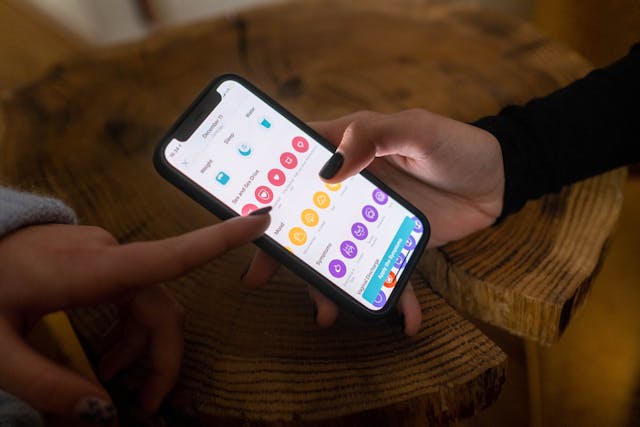
7. Track Your cycle. Use an app or calendar to notice changes early.
When to see a doctor.
Late ovulation doesn't always mean something is wrong; it could be part of the normal variation that occurs in a healthy reproductive system.
However, it’s advisable to seek medical attention if
- Ovulation is often late.
- Periods are irregular or not occurring.
- You have acne, hair growth, or fatigue symptoms.
- You can't get pregnant.
Timely assessment helps to identify treatable causes and improves fertility outcomes.
Conclusion
Late ovulation occurs when your body releases an egg later in a cycle, usually after day 21. It's usually nothing to worry about and can be due to stress, illness, or hormonal changes.
However, if it happens often, there's little cause for concern. If it's frequent or affects your fertility, simple tests and lifestyle changes can help restore the balance.
Understanding the rhythm of your body helps you make decisions about your reproductive health.
{{pink-banner}}

.jpg)

.avif)
