


Implantation symptoms for women with PCOS and what to expect
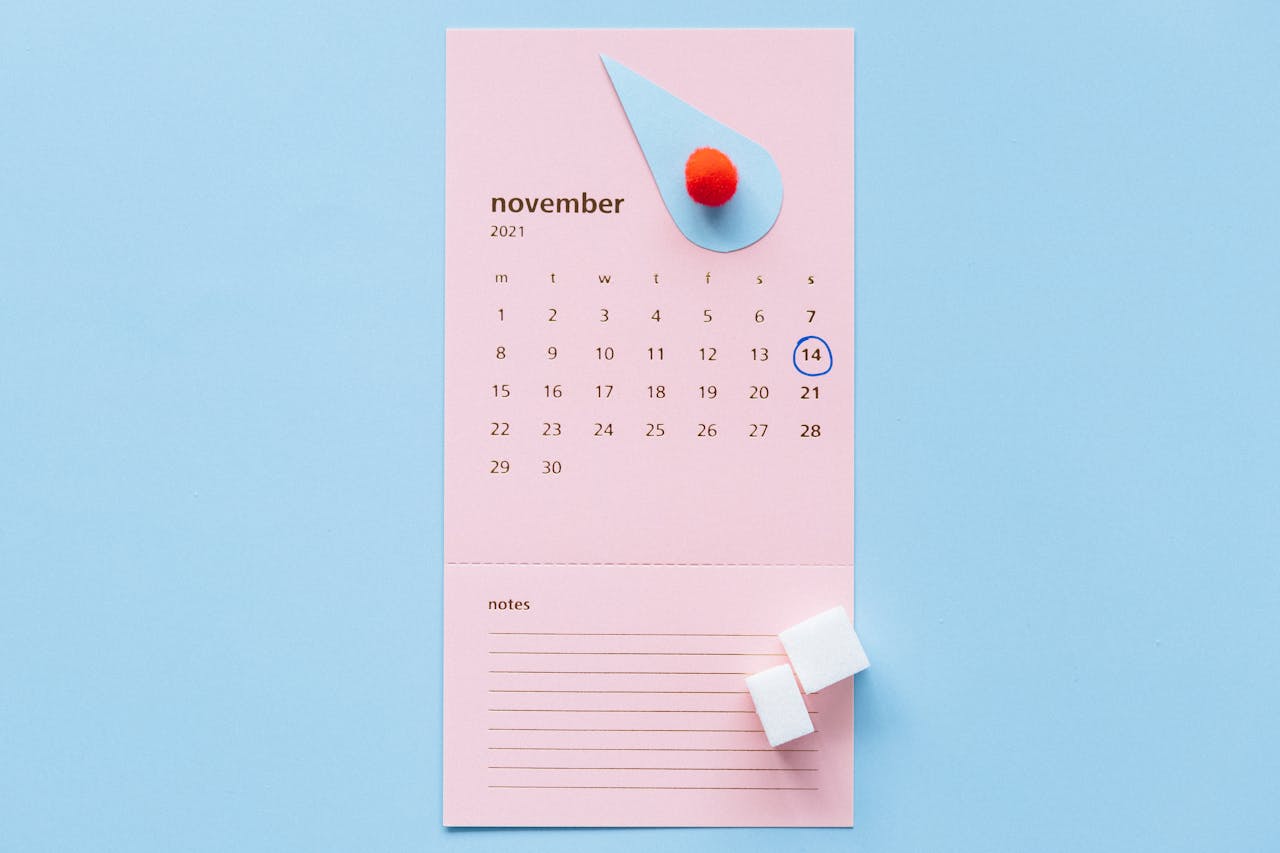
Learn the key implantation symptoms in women with PCOS: bleeding, cramping, mood changes, breast soreness and how to tell them apart from PMS or your period.

Do cramps signify implantation? That intense cramping that feels like stabbing pain and twinges from your cervix. Implantation, ovulation, PMS, and menstruation can have similar symptoms, so how can you tell?
Implantation signifies the first stage of pregnancy. Once the egg is implanted, the placenta starts forming the Human Chorionic Gonadotropin (hCG) hormone. The hCG hormone is an indicator for pregnancy tests.
Implantation usually happens between 6 to 10 days after ovulation, depending on your ovulation window. Implantation symptoms are mostly obvious. But for women diagnosed with PCOS, the symptoms can be tricky to notice. This is often due to irregular cycles and hormonal fluctuations.
This article explains the implantation symptoms you need to know and how to track when implantation happens.
{{button}}
Common Implantation Symptoms To Know
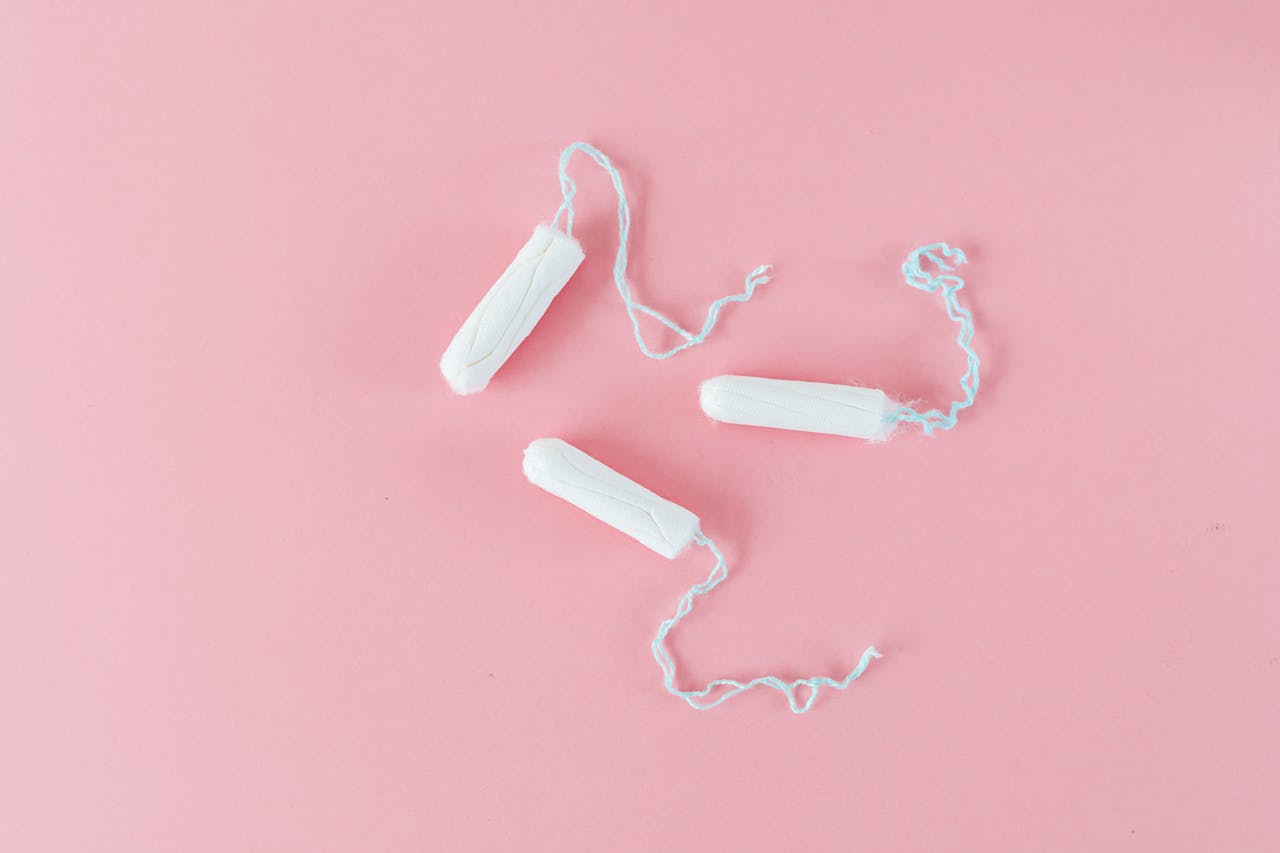
- Implantation Bleeding: This is the common symptom women often experience during implantation. It’s not to be mistaken for your menstrual flow. Implantation bleeding occurs as spotting. There's no heavy blood flow or blood clots compared to your menstrual flow. Spotting can occur for several hours to two days. You might notice it in your underwear or when you wipe yourself in the toilet. But it's not heavy enough that you'll require a pad or tampon. Another thing you'll need to note is the color: implantation bleeding is pink or brown, unlike period blood, which is red. Paying attention to the colour helps to clear any confusion.
Implantation bleeding may occur 10 to 14 days after your ovulation and may appear a week before you expect your menstrual cycle. But what causes implantation bleeding? The uterus or womb is richly supplied by blood vessels. When the fertilised egg attaches to the womb, it may hit some vessels and cause bleeding.
- Cramping: You may experience mild cramping, often accompanied by implantation bleeding. There's often lower back pain or abdominal tenderness around the time of the implantation bleeding. No study has shown why implantation bleeding is accompanied by cramping.
- Headaches: If you don’t usually have headaches, having one out of the blue can indicate implantation. This is due to estrogen and progesterone levels that affect the blood flow in the body. It may last from implantation till pregnancy ends.
- Tender breast: Your breast may be sensitive to touch. Increased estrogen, progesterone, and hCG hormone cause your breasts to feel sore. You may usually experience this before your menstrual period and be unable to tell the difference. One difference is that before your menstrual cycle, your breast feels heavy, unlike during implantation, when they're sore or sensitive to touch.
- Basal body temperature Rise: Your basal body temperature decreases slightly when implantation occurs. If the implantation is successful, the temperature continues to increase, but if it decreases more it may be a sign your period is on the way and the implantation wasn't successful.
- Mood swings: It may also be common for you to experience mood swings before or during your menstrual cycle. It also happens during implantation because of high levels of hormones. You'll tend to be more irritated than normal, and that's fine.
- Bloating: This is a common PCOS symptom that women face. It's caused by hormones which slow digestion. Bloating is a common pre-menstrual symptom (PMS). It may be confusing to but pay attention to other implantation symptoms.
How To Know if Implantation Has Happened
- For women diagnosed with PCOS, relying on one particular symptom isn't reliable. Two or more implantation symptoms is a key way to know if implantation has occurred.
- You can never be too sure unless a pregnancy test confirms. You can take a pregnancy test 10-14 days after your ovulation. False negative tests are common due to wrong ovulation timing. However, that shouldn't discourage you; you can always test again after a few days.
PCOS and What You Need To Know About Implantation
- PCOS may affect your egg quality, uterus or womb thickness, and progesterone levels. And this affects implantation.
- If you're under stress or experiencing insulin resistance, your hormonal levels may be fluctuating.
- Lifestyle changes like sleep, exercise, a balanced diet, and fertility monitoring can also improve implantation chances.
Key Takeaway
Implantation is an important first step in pregnancy, and recognizing its symptoms can be helpful, especially if you’re trying to get pregnant. Signs include implantation bleeding, cramping, tender breasts, and mood swings. If you're experiencing two or more symptoms, consider taking a pregnancy test 10-14 days after ovulation. Don't be discouraged by false negatives; try again after a few days. Managing PCOS through lifestyle changes can also improve your implantation chances. Consult your healthcare provider for personalized guidance while you do this.
Frequently Asked Questions
Q: When Should You Meet Your Doctor?
A: If you notice severe bleeding or cramping, you can see your doctor. If you suspect that you're pregnant or you want to be sure if you're experiencing implantation symptoms and would like fertility monitoring.
Q: Do women with PCOS have heavy bleeding during implantation?
A: No, they don't have heavy bleeding. The bleeding ought to be light. Heavy bleeding indicates an underlying issue.
Q: What Does Implantation Bleeding Look Like for Women Diagnosed with PCOS?
A: Implantation bleeding is pink or brown in color. It's the same color for everyone, regardless of whether you have PCOS or not.
Q: What can be mistaken for Implantation Bleeding?
A: Most women experience light bleeding during their menstrual cycle and mistake it for implantation bleeding. While implantation bleeding is normally light, you'll need to pay attention to the color and duration of the bleeding.
Q: Can you get Implantation bleeding if you have PCOS
A: Generally, not every woman experiences implantation bleeding. You may or may not see your implantation bleeding. It doesn't mean that anything is wrong; your body differs.
Can Hormonal Imbalance Cause Implantation Failure ?
Yes, they can. Some hormones are vital for implantation to start. One of them is progesterone, which prepares the uterus or womb for implantation and early phases of pregnancy. If the hormone levels are low, implantation may not be successful.
What Can You Do to Improve Implantation Chances With PCOS?
Lifestyle changes like exercise, healthy eating, and sleep improve your implantation chances. You should exercise, and it doesn't have to be tedious or require a gym. Walking, jogging, skipping, or home workouts are minor things you could add to your routine. Eat a wholesome diet, cut back on alcohol and smoking. Ensure you sleep for at least 6-8 hours.
{{pink-banner}}



.avif)
