


Early pregnancy rash: Definition, symptoms, and more
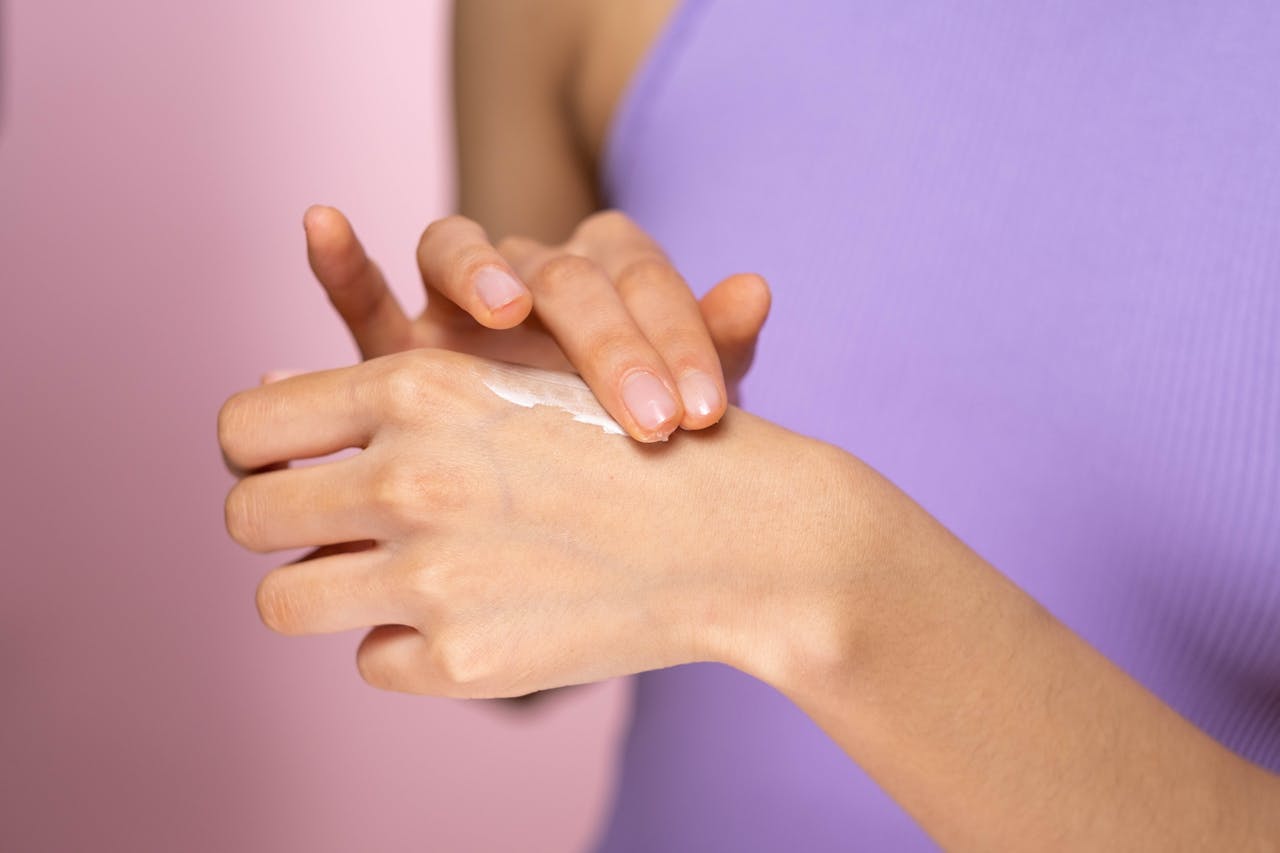
What is an early pregnancy rash? Click to find a complete guide that addresses the definition and causes of rash in early pregnancy and offers management tips.

Pregnancy rashes are incredibly common and affect a large number of pregnant women. Most often, rashes appear later in pregnancy, after the second trimester. However, it’s also possible to experience an early pregnancy rash in some cases.
There are several types of skin issues that can appear in the first trimester:
- Implantation rash
- Early-stage PUPPs (very unlikely)
- Prurigo of pregnancy
- Pregnancy eczema
- Heat rash, etc.
Although pregnancy rashes can be very disturbing and uncomfortable, they are often harmless. Still, it’s important to notify your healthcare provider of any new or worsened rashes and undertake the right management steps to provide relief.
{{button}}
Due to hormonal fluctuations and skin changes, pregnant women are often more susceptible to different skin issues, such as rashes. A large number of pregnant women are dealing with rashes at different stages of their pregnancy. And though it’s much more common in the second and third trimester, some women may also face an early pregnancy rash in the first trimester.
In this article, we’ll define an early pregnancy rash, discuss the possible rash types, and give you some effective management tips to rely on.
What Is an Early Pregnancy Rash?
An early pregnancy rash is a generalized term that refers to different types of rashes that appear in early pregnancy. Depending on the specific type of rash, it can come with different appearances and symptoms.
In most cases, rashes are harmless. However, they can be very uncomfortable and irritating, which is why it’s natural to seek treatment and remedies to ease the discomfort.
How Early Can You Get Pregnancy Rash?
Most commonly, pregnancy-related rashes appear later in pregnancy, in the second or third trimester. These can’t really be called early pregnancy rashes.
However, there are a few types of pregnancy rashes that can begin very early in pregnancy. They are much rarer. But it is possible.
Possible Types of an Early Pregnancy Rash
If you notice skin irritation and rash in early pregnancy, it can be one of the following rash types:
Early Pregnancy Implantation Rash
One of the earliest rash occurrences found in pregnant women is the so-called “implantation rash.” This type of rash is actually a gestational dermatosis that can appear as a reaction to embryo implantation. It appears as an itchy skin reaction several days after implantation and is typically linked to IVF cases with specific parental genetics. This is an uncommon but not rare event found in 7 out of 285 women undergoing in vitro fertilization.
You can recognise an early pregnancy implantation rash by the following characteristics:
- Small, red, pimple-like spots or hives.
- Patches (plaques).
- Intense itching.
Most often, the rash begins on the abdomen. It often develops inside stretch marks. Later, it can spread.
First Trimester Early Stage PUPPs Pregnancy Rash
Pruritic Urticarial Papules and Plaques (or PUPP) of pregnancy is the most common pregnancy-related skin condition found in 1 in 160 to 1 in 300 pregnant women. This type of rash is predominant in the third trimester. Most often, it begins after 24 weeks when the belly is quite large and resolves soon after giving birth.
It’s very rare and unlikely to face a first trimester early stage PUPPs pregnancy rash because it typically starts much later. However, it might be technically possible, especially if you’re in the risk group:
- It’s your first pregnancy.
- You are carrying multiples.
- You’re gaining weight very rapidly.
This kind of rash typically starts with small, red bumps on the belly. With time, the papules can form larger plaques and spread to the arms, breasts, buttocks, and thighs.
Prurigo of Pregnancy
Prurigo of pregnancy is another rather common pregnancy-related skin condition. It can begin anywhere in the first or second trimester. However, though you can face it in early pregnancy, it most commonly appears later.
You can identify prurigo of pregnancy by the following characteristics:
- Tiny bumps forming on arms and legs.
- Papules are typically discolored and crusty.
- Intense itching.
Pregnancy Eczema
Pregnancy eczema, also known as atopic eruption of pregnancy (AEP), is another skin condition that can appear rather early in pregnancy. It shows as itchy red spots triggered by hormonal shifts in early pregnancy. It can affect both women with and without prior eczema issues.
The main symptoms of this kind of rash include:
- Dry, red patches appearing on the face, chest, neck, and limbs.
- Severe itching.
This type of rash often requires medical attention because untreated eczema can become more severe and pose certain risks.
Heat Rash
Heat rash, or Miliaria, isn’t specifically a pregnancy-related rash. But it’s rather common in pregnant women. Moreover, pregnant women might be more prone to this condition due to increased blood flow and metabolic heat.
Heat rash develops when sweat ducts get blocked and trap sweat under the skin. It’s particularly common in certain climates (such as very humid ones) or during warmer months. It can also develop if you overdress and sweat too much or as a result of physical activity. The key characteristics that can help you distinguish this kind of rash include:
- Small, red, prickly bumps and/or blisters.
- Bumps appearing in sweaty areas like the chest, abdomen, breasts, neck, and armpits.
- Sometimes, bumps appear crusty or scaly, resembling pimples.
Other Possible Types of Early Pregnancy Rash
Apart from the common rashes described above, there are many other skin conditions that pregnant women might be facing. There are two rash types that can appear as a result of hormonal shifts. This includes palmar erythema that can result from high estrogen levels and hives that are also triggered by hormonal shifts, as well as stress or heat. These are generally less common, but they are also possible.
How to Prevent and Manage Early Pregnancy Rash
Although pregnancy rashes are common, they are also very uncomfortable. Constant itching can disrupt your daily activities and sleep. Not to mention the unappealing look of rashes. But, luckily, it’s possible to minimize the likelihood of an early pregnancy rash development through the following tips:
- Opt for lightweight, breathable fabrics that don’t trap sweat.
- Change your clothes after you sweat and after a workout.
- Avoid overdressing.
- Stay hydrated.
- Avoid aggressive hygiene products, such as heavy lotions and fragranced products, that can create rash flare-ups.
- Apply gentle topical products to keep your skin moisturized.
The same tips can help you improve rashes that already exist. Additionally, depending on the rash type, your doctor may recommend pregnancy-safe antihistamines or mild corticosteroid creams to treat persistent itching. However, it’s important that you don't use any aggressive topical solutions on your own. Always report a new or worsened rash to your healthcare provider to receive personalized treatment advice.
FAQ
Is a rash an early sign of pregnancy?
Not really. Rashes are typically not considered a universal early sign of pregnancy. Although it’s possible to notice a rash early, many of them actually appear later in pregnancy. Besides, a new rash might be caused by a range of other things, which is why you shouldn’t focus on this sign to detect pregnancy.
Instead, you should keep an eye on more common and clear signs of early pregnancy, such as missed period, breast tenderness, fatigue, increased urination, and nausea/vomiting. If you suspect that you might be pregnant, wait until the right time, usually around 14 DPO, and confirm with a test.
Can a pregnancy rash be dangerous?
Yes, it’s possible. Although the majority of pregnancy rashes are generally harmless to a mother and baby (despite being uncomfortable), there are some rarer rash types that can signal serious and even life-threatening conditions. These include pemphigoid gestationis and pustular psoriasis of pregnancy. Both types can be quite dangerous if not treated properly. However, they are incredibly rare. Pemphigoid gestationis occurs in about 1 in 50,000-60,000 pregnancies, and pustular psoriasis of pregnancy has been reported less than 400 times in the past 25 years.
When should I seek medical attention with an early pregnancy rash?
Although most rashes are harmless, it’s important to tell your doctor about any new or worsening rashes. A healthcare provider will identify the cause of a rash, help rule out any serious underlying issues, and offer a personalized treatment plan. It’s also recommended to seek immediate medical attention if your rash is accompanied by any unusual or severe symptoms, such as very intense itching, blisters, yellowing of the skin, pain, or fever.
Conclusion
Pregnancy rashes are more common than many think. They often develop due to hormonal fluctuations and skin changes caused by pregnancy. And, though skin problems often appear in later stages of pregnancy, sometimes, it’s possible to experience them early.
If you happen to notice an early stage pregnancy rash on belly, or anywhere else on your body, now you know that it might be caused by different rash types. Use the information from this article to understand what to do about your rash and undertake the necessary management steps to ease the discomfort and feel better. And don’t forget about the importance of keeping your doctor aware of any skin problems that appear.
{{pink-banner}}


.avif)
