


Does bone broth make you poop? Understanding the possible side effects and finding relief
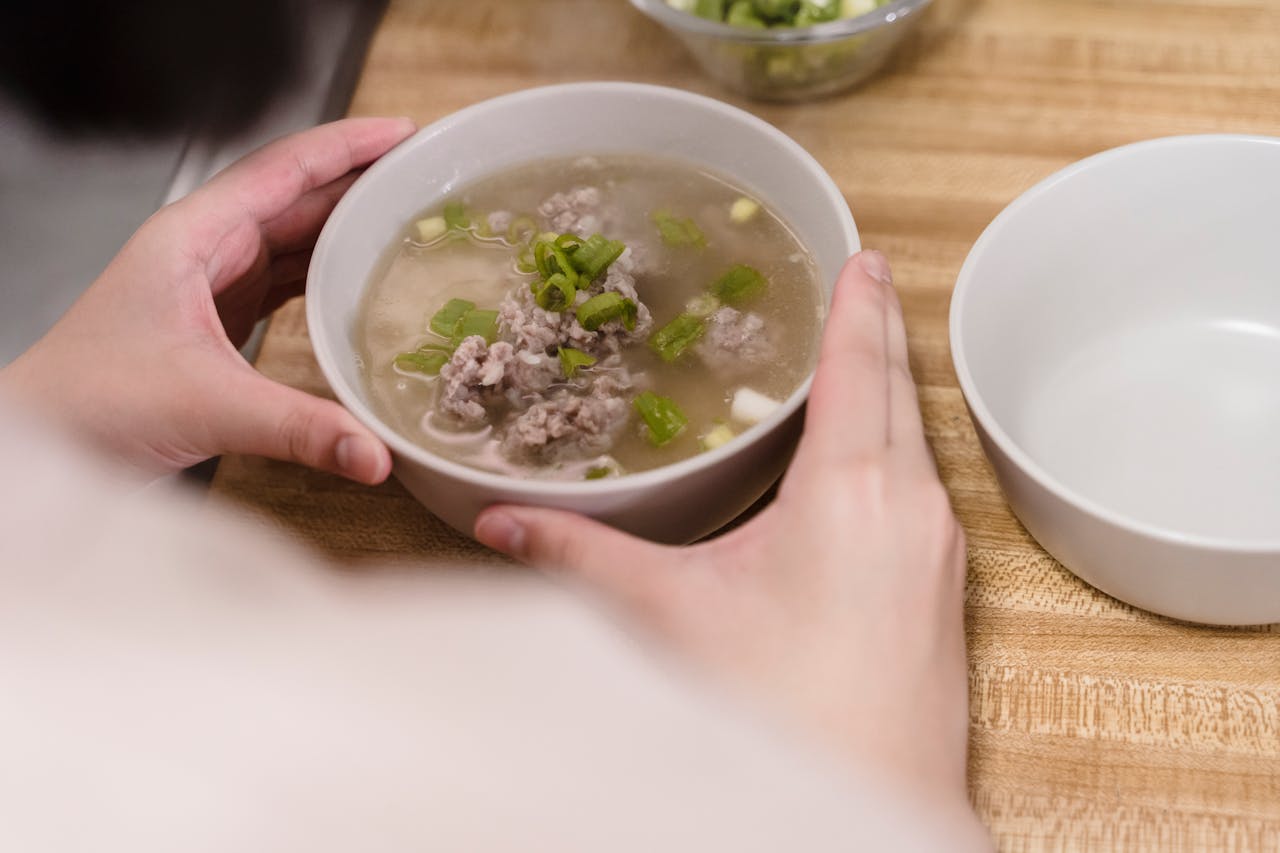
Does bone broth make you poop? Read a comprehensive guide that explains the possible laxative effect of broths and shares practical tips to prevent discomfort.

Bone broth is a highly digestible and nutrient-dense liquid made of animal bones. It’s known for its high content of protein, collagen, amino acids, and other crucial elements that help support bone and joint health, reduce inflammation, and help manage weight.
Bone broth is also known for its positive effect on gut health. Does bone broth make you poop, you may wonder? The short answer is “yes.” A combination of collagen, gelatin, glycine, glutamine, electrolytes, and minerals can improve bowel movements and reduce constipation. However, it can also lead to diarrhea in some individuals, which is why it’s important to be careful when introducing bone broth to your diet for the first time.
{{button}}
Bone broth is known as a highly nutritious meal. It’s a popular choice for people who are managing weight, practicing fasting, and looking to gain the benefits offered by this savory liquid. On the other hand, people who consume bone broth regularly often report some side effects. And stomach upset is one of the most common ones.
So, does bone broth make you poop? It might. In this article, we’ll look at this side effect in detail to understand the reasons and help you find relief options.
What Is Bone Broth and Why Do People Consume It?
Bone broth is a nutrient-dense, savory liquid made by simmering bones (often, chicken or beef) for a long time. People consume it for various reasons.
Most often, bone broth is embraced for its nutritional value. Thanks to a long cooking time, the nutrients and collagen contained in animal bones break down, leaving you with a fair amount of protein (around 8-10 grams per cup). This fact makes bone broth a popular meal among people looking to gain and maintain muscle mass. At the same time, bone broth typically contains very few calories (between 35 and 80 calories), making it also a popular choice among people trying to lose weight. It’s also commonly used by people who practice fasting because broth is considered a good meal to break a fast.
Apart from its nutritional value, bone broth is also known for many added benefits, including:
- Anti-inflammatory properties
- Joint and bone health support
- Gut health
- Relaxation and sleep improvement
What Are the Possible Side Effects of Consuming Bone Broth?
While the benefits of eating bone broth are huge, there are also some possible side effects. Most commonly, it’s associated with the following issues:
- A risk of lead poisoning (if the broth is not prepared according to standard manufacturing protocols)
- A risk of experiencing glutamic acid sensitivity effects (e.g., energy crashes, anxiety, sleeplessness, etc.)
- Increased bowel movements
- Bloating
- Inflammatory bowel syndrome
- Constipation
- Nausea
- Stomach upset
Does Bone Broth Make You Poop?
As you now see, increased bowel movements are some of the commonly reported side effects of consuming bone broth. So if you are wondering whether it can make you poop, the short answer is “yes.”
Bone broth is known for fortifying your gut barrier. Thanks to a unique set of nutrients contained in it, broth aids digestion and can help regulate bowel movement. Due to this reason, it’s also frequently used by people who suffer from stool infrequency and constipation.
Why does this happen? Although bone broth is generally not considered a direct laxative, it can have a mild laxative effect in some people. This can be explained by the following reasons:
- High content of collagen and gelatin. When you simmer animal bones for a long time, the collagen contained in them breaks down into gelatin. Gelatin, in turn, acts as a mild bulking agent. It improves the lubrication of the digestive tract, helping waste to move through it more efficiently. That is, gelatin improves intestinal motility and thus causes bowel movement.
- The presence of amino acids that are essential for your gut. Apart from collagen and gelatin, bone broth also contains glycine and glutamine. These amino acids play major roles in cell growth. In simple terms, they help repair the intestinal lining, support the gut barrier, and also regulate muscle contractions. These effects of amino acids contained in bone broth can also cause regular (or, sometimes, rapid) bowel movements.
- A boost in electrolytes. Constipation is among the primary side effects of electrolyte deficiency. However, bone broth gives you a boost in electrolytes and minerals, such as sodium and potassium. These elements help regulate fluid balance in your entire body, including the colon. Hence, they can simplify bowel movement and make you poop.
- Digestion speed-up. Bone broth is a highly digestible liquid that’s rich in essential nutrients. Since it’s digested very quickly, it can have a rapid “cleansing” effect on your intestines, making you poop.
A combination of these factors can cause regular or rapid bowel movement after consuming bone broth. So, it shouldn’t surprise you if it makes you poop.
Can Bone Broth Cause Diarrhea?
Often, increased bowel movement caused by bone broth is mild and should not cause significant discomfort. On the contrary, it can help you overcome problems like constipation and improve stool regularity. However, it can also result in diarrhea in some cases.
The main factors contributing to bone broth side effects diarrhea include:
- A very high sodium content. Some broths (especially off-the-shelf ones) may contain too much salt for a better flavor. As an electrolyte, sodium impacts fluid balance. When you consume a very sodium-rich broth, it can draw too much water into the intestine and result in diarrhea.
- A high content of fat. Some broths (especially home-made ones) can contain too much fat. Studies show that increased fat consumption can speed up gut motility, which might be another cause of loose stool.
- Histamine sensitivity. Bone broths are usually high in histamines (as well as in glutamates) due to a long cooking time. For people with sensitivity to these elements, this could result in diarrhea and overall digestive discomfort.
Apart from these causes, it’s also possible to experience bone broth side effects diarrhea simply because of a very sudden introduction to bone broth or its consumption in high volumes. If your gut is not used to this kind of meal, it can overwhelm the digestive system and result in discomfort and loose stool.
How to Prevent Gut Discomfort When Consuming Bone Broth
As you now know, bone broth can offer a range of benefits, including gut health support. However, since diarrhea and gut discomfort are among the possible side effects, it’s important to know how to choose (or prepare) and consume this liquid correctly in order to prevent them.
Here are a few practical tips that should help:
- Always start slow. If you have never consumed bone broth, you don’t want to rush into it because this can lead to adverse effects. To prevent this, introduce bone to your diet gradually, starting with 1/2 cup.
- Maintain proper hydration. Bone broth is rich in high-concentration electrolytes, such as sodium and potassium. Drinking plenty of water after consuming it can help your body use these electrolytes more efficiently and support digestion.
- Opt for broths with lower sodium content. Remember that too many electrolytes can lead to diarrhea. That’s why it might be wise to prepare your broth with a moderate amount of salt and opt for low-salt brands if you are buying broth.
- Keep an eye on additives. When shopping for off-the-shelf bone broths, be sure to read labels. You want to avoid products that contain spicy vegetables or too much FODMAP, especially if you have a sensitive gut.
- Balance your diet. Although bone broth can be very beneficial for your gut, it’s not healthy to consume it alone. It’s important to pair broths with a balanced diet to get all the essential nutrients that your body needs for normal function.
FAQ
Why does bone broth make me poop?
Bone broth is rich in collagen and gelatin, which lubricate the digestive tract and boost intestinal motility. It also contains glycine and glutamine – essential amino acids that repair the intestinal lining, support the gut barrier, and regulate muscle contractions in the gut. A boost in electrolytes and minerals that you can get from bone broth improves fluid balance in the colon. A combination of these factors can cause increased bowel movements and make you poop after consuming this savory liquid.
Is bone broth a laxative?
No, bone broth is not considered a direct stimulant laxative. However, its high content of collagen and other nutrients can cause a mild laxative effect. Consuming bone broth helps regulate your gut health and increase bowel movement. It can be used as a natural relief for constipation and stool irregularity.
Conclusion
So, does bone broth make you poop? Shortly, yes. Bone broth is a highly digestible and nutrient-rich liquid. Thanks to containing collagen, gelatin, glycine, glutamine, electrolytes, and minerals, it can support your gut health and improve bowel movements. As a result, it can help resolve issues like constipation and bring a range of added benefits.
On the other hand, bone broth can also lead to diarrhea, especially when introduced suddenly and consumed in large amounts. To prevent stomach upset, it’s important to follow simple safety tips, such as getting started slowly and ensuring a moderate sodium content.
{{pink-banner}}




.avif)
