


Bloating vs Pregnancy: How to tell the difference?
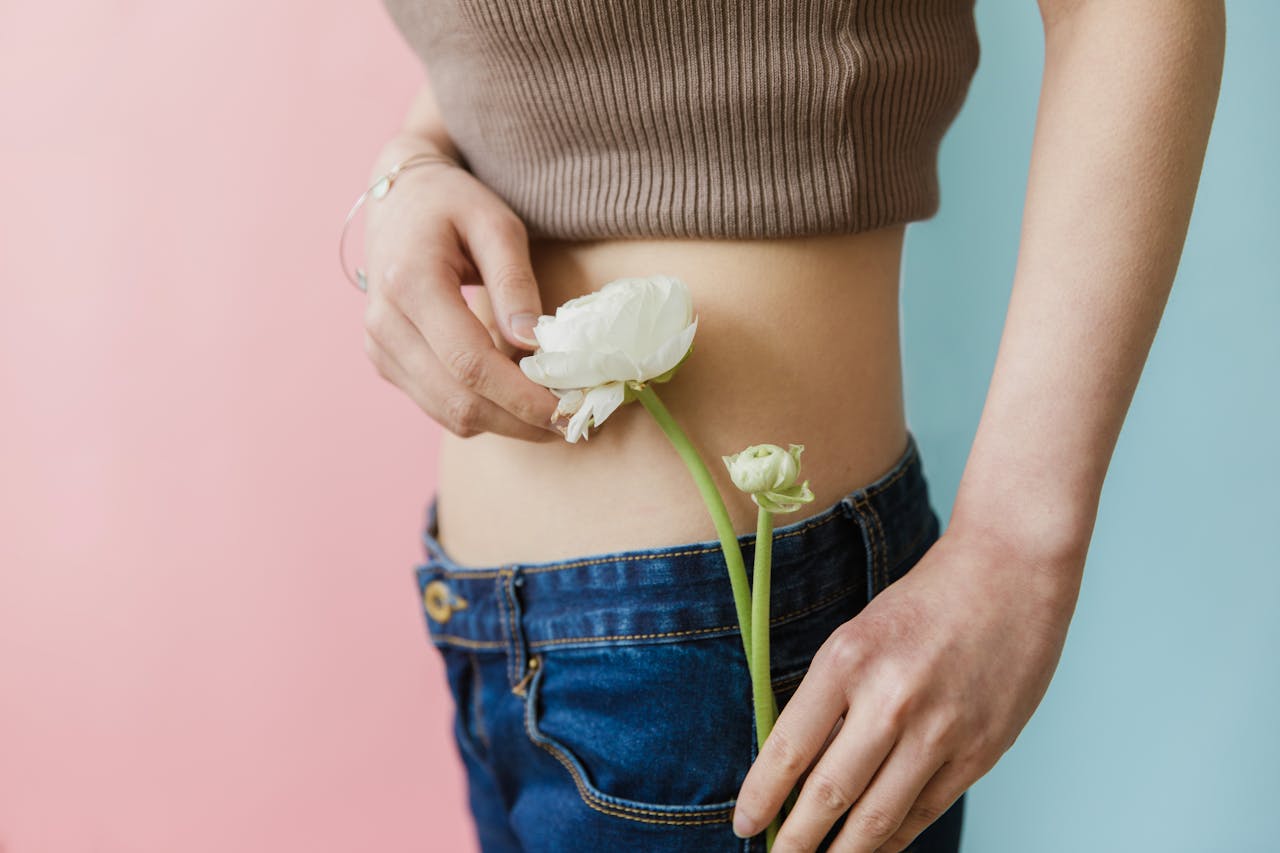
How is bloating vs pregnancy different? Find a comprehensive guide on how to tell the difference between a bloated belly before your period and early pregnancy.

Bloating is a common occurrence in early pregnancy and PMS. In both cases, it results from hormonal changes and high progesterone levels, in particular. And since they share a common cause and also appear around the same time, distinguishing them can be rather difficult.
How do period bloating vs pregnancy differ? Mainly, they can be distinguished by a set of symptoms. If it’s just PMS, you might experience acne, fatigue, mood swings, and headaches along with bloating. In early pregnancy, you may also notice pregnancy-specific symptoms, such as food cravings, frequent urination, implantation bleeding, and morning sickness. Also, period bloating should typically go away at the end of the cycle. Pregnancy bloating will likely persist, and eventually you will miss your period.
Despite certain differences, there is no surefire way to distinguish period bloating from early pregnancy until you take a pregnancy test.
{{button}}
If you are trying to conceive, you probably know that bloating is one of the earliest pregnancy signs you might notice, even before missing your period. So, when you notice a bloated belly, you can start thinking that you’ve conceived during this cycle. However, that’s not always a surefire sign.
The truth is that bloating is incredibly common. It can result from many things, including your diet, fasting, digestive issues, and others. And it’s also a common symptom of PMS. As many as 62% of women feel bloated a few days before their period. That is, if you experience bloating before missing your period, there is an equal chance that it’s pregnancy or just PMS.
How do you tell the difference? This article will offer you a comparative review of pre-period bloating vs pregnancy. We’ll discuss the similarities and differences, and will help you figure out what to do next.
Understanding Pregnancy Bloating
After conception, the fertilized egg travels down the fallopian tube to reach the uterus and attach itself to the uterine lining. This process is called implantation. It marks the official start of your pregnancy and instantly triggers an increased production of progesterone to prevent the uterine lining from breaking and shedding, thus preventing your period from starting.
High progesterone levels are naturally associated with a number of symptoms. These include breast tenderness, fatigue, and others. And it also often causes bloating.
Progesterone has been shown to relax gut smooth muscles. This often leads to gas trapping and, hence, bloating. It also affects your fluid balance and stimulates increased water retention, which also adds to belly bloating.
Understanding Bloating Before Period
So, early pregnancy bloating is caused by high progesterone. But here's the catch – your progesterone levels are also naturally high before your period. Progesterone levels start rising after ovulation to thicken the uterine lining so that it can accommodate early pregnancy if conception happens. In a typical 28-day cycle, the levels of this hormone peak at around day 21, which is one week before your expected period. Then, its levels get slightly lower between 21-25 days and drop sharply after day 25 if pregnancy doesn’t occur. This drop in progesterone is exactly what triggers your period to begin.
The time when your progesterone levels are high is when you can experience premenstrual syndrome (PMS). Due to high progesterone, PMS is associated with symptoms that closely resemble early pregnancy, such as:
- Breast tenderness
- Mood swings
- Fatigue
- Changes in libido
- Bloating
- And others
Long story short, your progesterone levels rise naturally both in the luteal phase before your period and in early pregnancy. This causes similar symptoms, which makes it easy to confuse period bloating and pregnancy.
Other Common Causes of Bloating
While bloating before a period is very common, not every woman experiences this PMS symptom. Nevertheless, belly bloat can be caused at different stages of your cycle by a number of other things too, including:
- Certain foods – Some foods cause too much intestinal gas, which can lead to gas trapping and bloating. These typically include beans, lentils, dairy products, vegetables, etc.
- Carbonated drinks – Soda and other carbonated beverages contain carbon dioxide gas. Its frequent consumption frequently leads to bloating.
- Eating quickly – When you are eating in a rush, it can lead to aerophagia. In simple words, you might swallow air along with food, which can result in excessive trapped gas and bloating.
- Medical conditions – Sometimes, abdominal bloating can be a result of a certain medical condition. In particular, gastrointestinal conditions, such as irritable bowel syndrome, often come with symptoms like bloating and cramping. Also, bloating is common in women who have ovarian cysts, such as those diagnosed with PCOS.
Pregnancy Bloating vs Period Bloating: Similarities
When we look at period bloating vs pregnancy bloating, we have the same underlying cause – high progesterone. Since they share a single cause, of course, they have certain overlapping symptoms, such as:
- A bloated belly that feels “puffed up” and tight.
- Increased gas and burping.
- Possible mild abdominal cramping.
- General feeling of heaviness and abdominal discomfort.
Difference Between Belly Bloating vs Pregnancy
Despite many similarities, period and pregnancy bloating do have a few distinctive features that can make it possible to distinguish them. In particular, you can see the difference by looking at other accompanying symptoms.
Period bloating vs pregnancy bloating symptoms:
- When your period is coming soon, it’s typical to experience fatigue, mood swings, irritation, and headaches. Also, it’s common to have acne breakouts.
- If you’re experiencing early pregnancy bloating, you should look out for other pregnancy-specific symptoms. These can include unusual food cravings, frequent urination, and morning sickness. Also, before you miss your period, you might experience implantation bleeding that differs from period bleeding by timing, flow, color, and duration.
Another sign that can help you distinguish period bloating vs pregnancy bump is the persistence of this symptom. Period bloating usually begins 1-2 weeks before your next period and goes away at the end of the current cycle. Early pregnancy bloating can persist for longer because your progesterone levels will continue rising.
How to Know for Sure If You’re Pregnant or Just Bloated?
Although there are a few distinctive features, it’s very hard to tell the difference between bloating vs pregnancy until you do a pregnancy test. A variety of overlapping symptoms, as well as similar timing of period and pregnancy bloating, naturally cause a lot of confusion. Besides, both occur in the so-called two-week wait, which is a generally stressful period for women who are trying to conceive.
So, how do you tell for sure? The most surefire way to confirm or rule out pregnancy is to wait until around 14 DPO. In a 28-day cycle, 14 days post-ovulation typically coincides with the first expected day of your next period. If your period doesn’t start, you can do a pregnancy test and learn if you are pregnant. Until you get a clear pregnancy test result, many symptoms might be misleading and not offer an accurate answer to what you are going through.
How to Manage Bloating
Whether it’s just PMS or one of the early pregnancy signs, let’s face the truth – belly bloating is always quite discomforting. So if you experience it, it’s normal to seek effective management options.
Here’s what you can do to prevent and manage bloating regardless of its cause:
- Stay hydrated.
- Include enough fiber-rich foods in your diet.
- Increase your physical activity.
- Avoid processed foods, foods that cause excessive gas, and carbonated drinks.
- Pay attention to your individual food sensitivities.
- Avoid eating too quickly.
- Consider using other remedies, such as herbal teas, probiotics, and supplements that neutralize stomach acid.
FAQ
What is the cause of pregnancy bloating vs period bloating?
Both pregnancy bloating and period bloating are caused by the same thing – high levels of progesterone. This hormone relaxes gut muscles and causes water retention, which can lead to bloating and general digestive discomfort. However, in cases where you’re not pregnant, bloating can also be caused by other things, such as certain foods, carbonated drinks, eating quickly, and underlying medical conditions.
How can I distinguish early signs pregnancy bloating vs period bloating?
It can be hard to tell the difference between them because both period and pregnancy bloating are caused by hormonal changes. Respectively, they have a number of overlapping symptoms that can easily confuse you. Still, you can look at other symptoms to tell the difference. If your bloating is accompanied by implantation bleeding, food cravings, frequent urination, and nausea, you might be pregnant. Nevertheless, you need to wait and take a pregnancy test to know for sure.
Should I be worried if bloating persists?
Usually, occasional bloating is not a cause of concern, especially when it occurs during periods of hormonal shifts, such as before your period. Still, if symptoms persist beyond the end of your cycle and you miss your period, taking a home pregnancy test may be a first step to consider. If you get a big fat positive, it's recommended to talk to your healthcare provider to plan a personalized prenatal care schedule.
Conclusion
Period bloating vs pregnancy has always been a hot topic among women who are trying to conceive. Since both can occur naturally within the two-week wait, it can feel confusing and leave you guessing whether you’re actually pregnant or just bloated because of PMS.
As you now know, there are a few symptoms that can help you see the difference. Yet, it’s important to remember that the only surefire way to tell if you’re pregnant is to take a pregnancy test.
{{pink-banner}}


.avif)
